
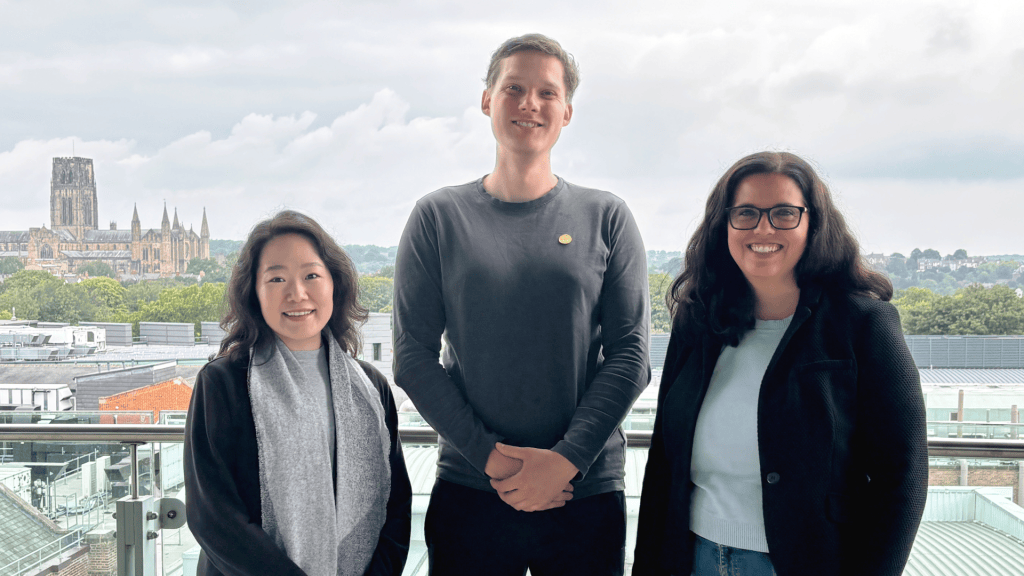
The 21st Social Simulation Conference (SSC 2026), one of the key activities of the European Social Simulation Association (ESSA), promotes social simulation and provides the space to share new approaches and findings around this method. This year during the conference, researchers discussed emerging modelling methods, the use of large language models (LLMs) in simulation research, and how models can better address the needs of different audiences. WHAT-IF members Annie Waldherr, Aytalina Kulichkina, and Max van Drunen took part in the event, presenting ongoing research from the project.
To explore the full SSC 2026 programme, click here.
An Agent-based Model of Online Public Discourse
- Authors: Aytalina Kulichkina, Taehee Kim, Annie Waldherr, David Garcia
- While the research is still in progress, the baseline model is already available in NetLogo and Python.
Agent-based models of social media: A scoping review and research agenda
- Authors: Aytalina Kulichkina, Daisuke Nakamura, Taehee Kim, Jula Lühring, David Garcia, Dongyoung Sohn, Annie Waldherr
- Pre-print
Using ABM to inform platform regulators
- Authors: Max van Drunen, Natali Helberger, Aytalina Kulichkina, Annie Waldherr
- Pre-print
As one of the main goals of the WHAT-IF project is to develop a model that simulates the social environment, it is important for the consortium to stay in-line with the rest of the field.
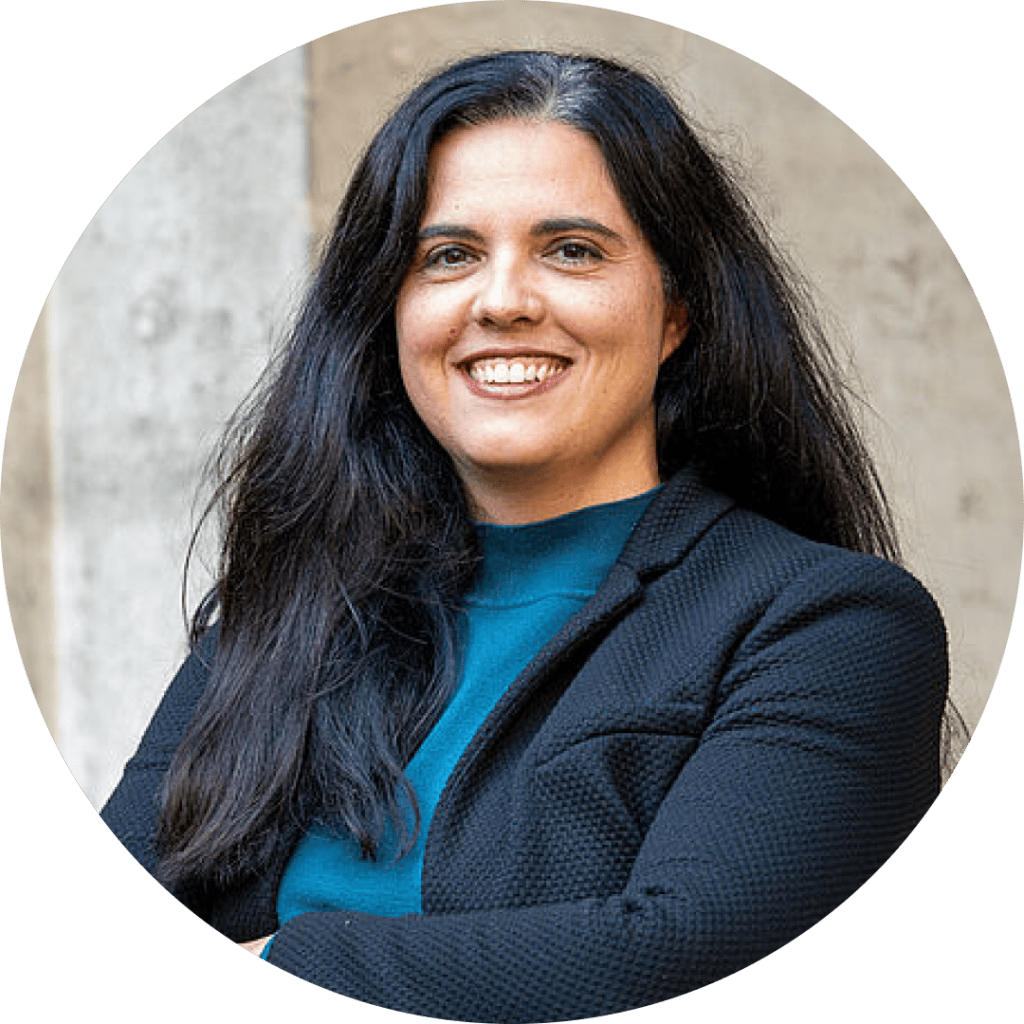
“It has been a really inspiring conference, meeting colleagues from many different disciplines working on similar problems,” says Annie Waldherr. “During the conference, there were many discussions about emerging standards for ABMs and simulations, and the use of LLMs both as agents in ABMs and as tools to support the modelling process. I’ve learnt a lot,” Annie adds. However, methodological developments were not the only subject of discussion.
Reflecting on the conference, Max van Drunen noted that
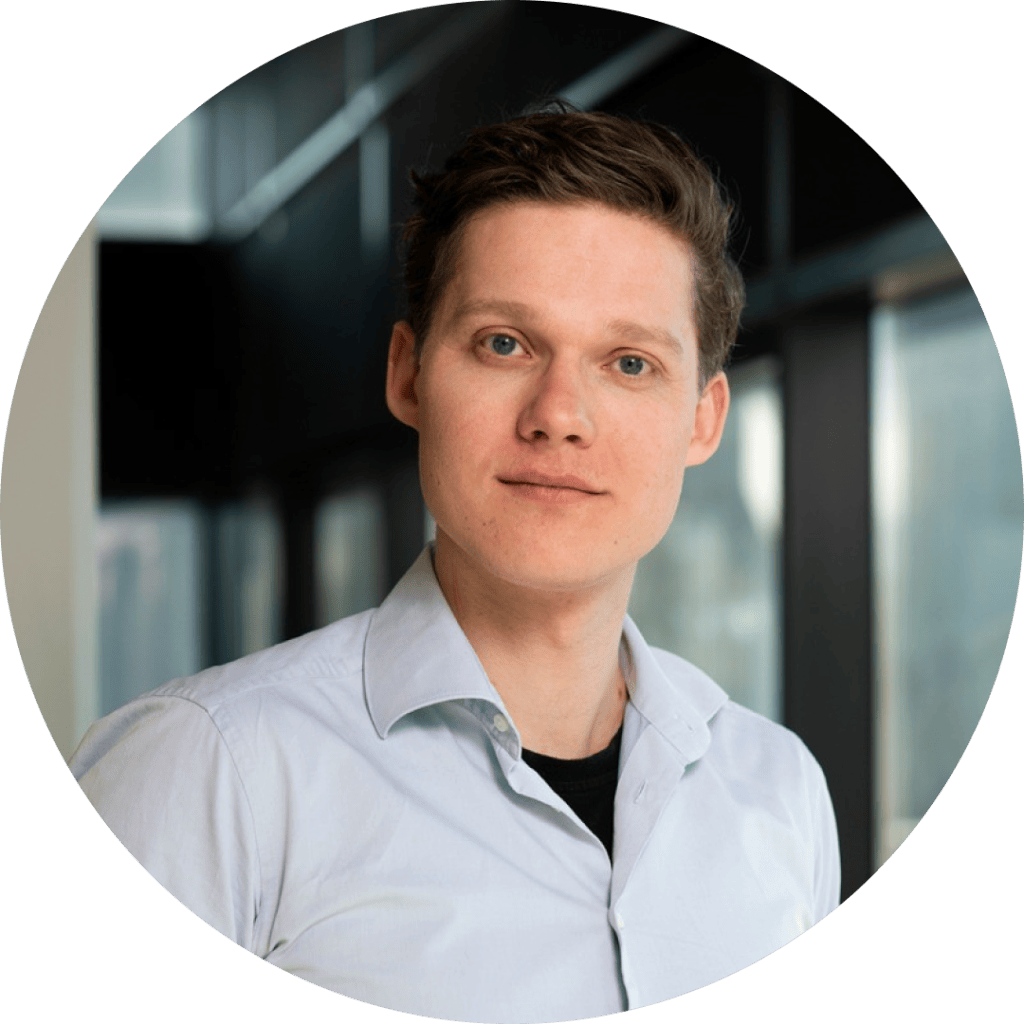
“It can be really useful to join forces and build a community with other researchers focusing on the same issue, to prevent people from reinventing the wheel and building a coherent evidence base. There is also a lot of work still to do to make these simulations useful to policymakers.”
Aytalina Kulichkina also highlighted the importance of considering the target groups:
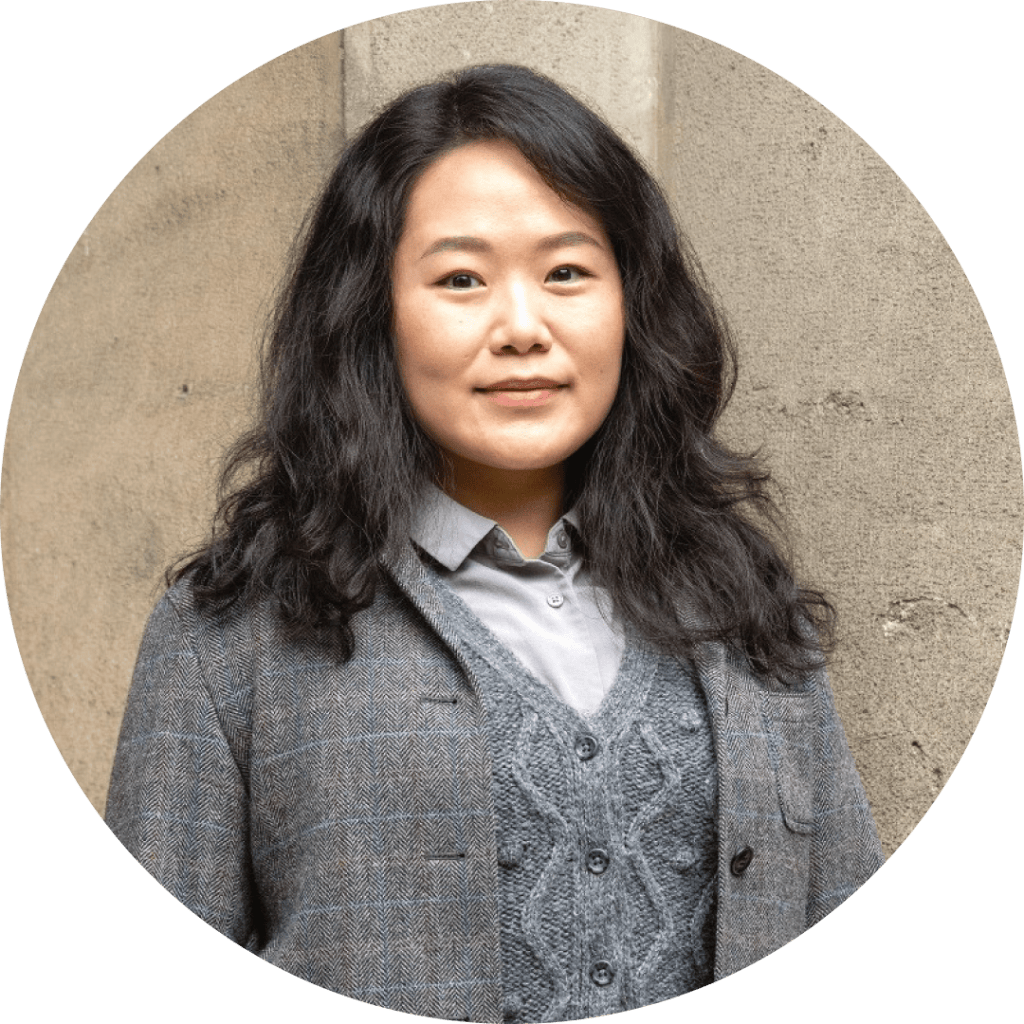
“I was inspired by Nanda Wijermans’ brilliant keynote at ESSA@Work, which reminded us of the importance of understanding our audience and their needs, both when modelling and when communicating results. This was my main takeaway from the conference: I’m convinced that impact follows when the modeller and the audience genuinely share a clear understanding of the purpose and limitations of a model.”
As always, there is still much to explore and discuss in the future. However, we would like to say a very big thank you to the University of Durham and all the organisers of SSC 2026 for bringing together such an inspiring research community and creating a welcoming space for exchanging ideas, sharing new approaches, and building connections across disciplines. We look forward to returning next year!
If you are interested in social simulation, follow us on social media and subscribe to our quarterly newsletter. We share the latest updates on our work in social simulation, drawing on perspectives from different fields and specialisations.

