
Barcelona Supercomputing Center
Barcelona Supercomputing Center-Centro Nacional de Supercomputación (BSC-CNS) is the national supercomputing centre in Spain. We specialise in high performance computing (HPC) and manage MareNostrum, one of the most powerful supercomputers in Europe.
About the team
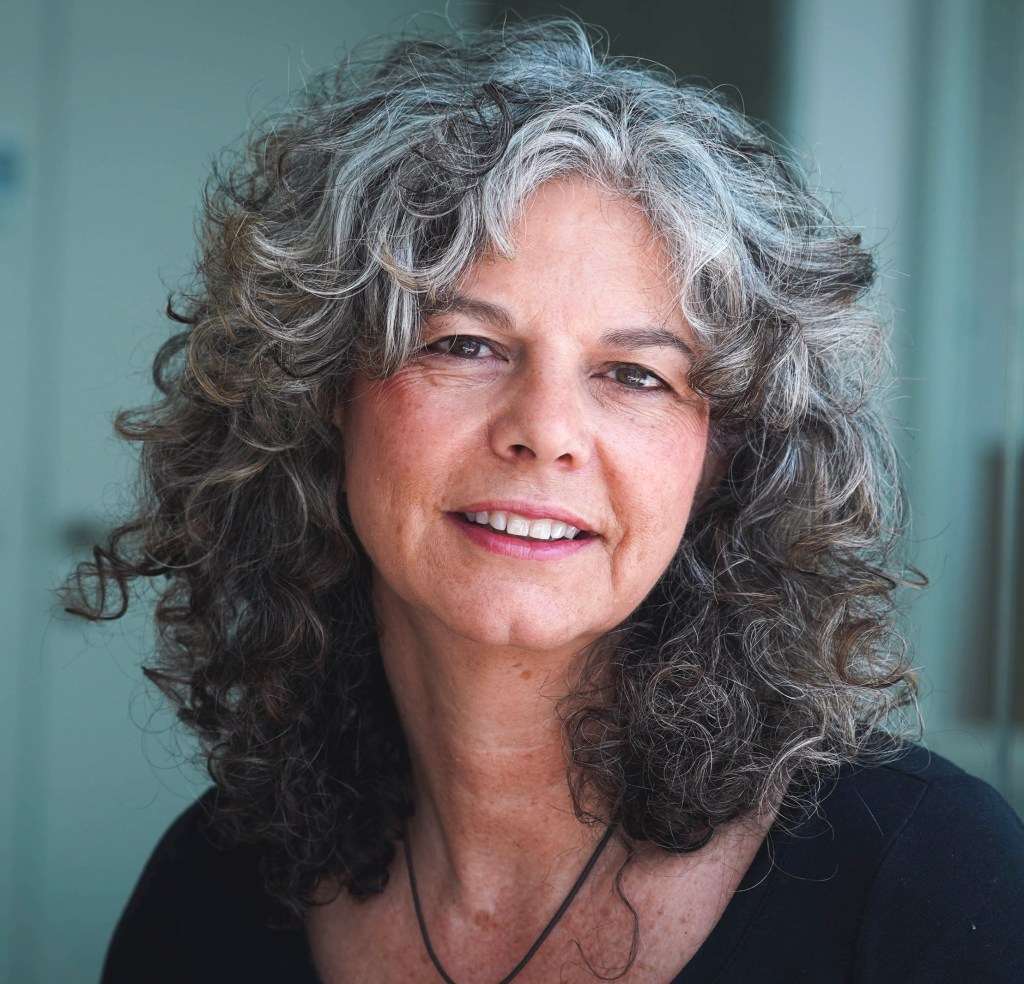
Mercè Crosas is the Director of Computational Social Sciences and Humanities at the BSC, leading a pioneering initiative that aims to understand current and past large-scale, complex questions in human societies, with the assistance of large datasets, Artificial Intelligence and High-Performance Computing. Crosas is also President of CODATA, the Committee on Data of the International Science Council, and an affiliate of the Institute for Quantitative Social Science at Harvard University. Crosas holds a PhD in Astrophysics from Rice University and a degree in Physics from the University of Barcelona. She completed both predoctoral and postdoctoral fellowships at the Center for Astrophysics at Harvard University, where she spent most of her professional career.
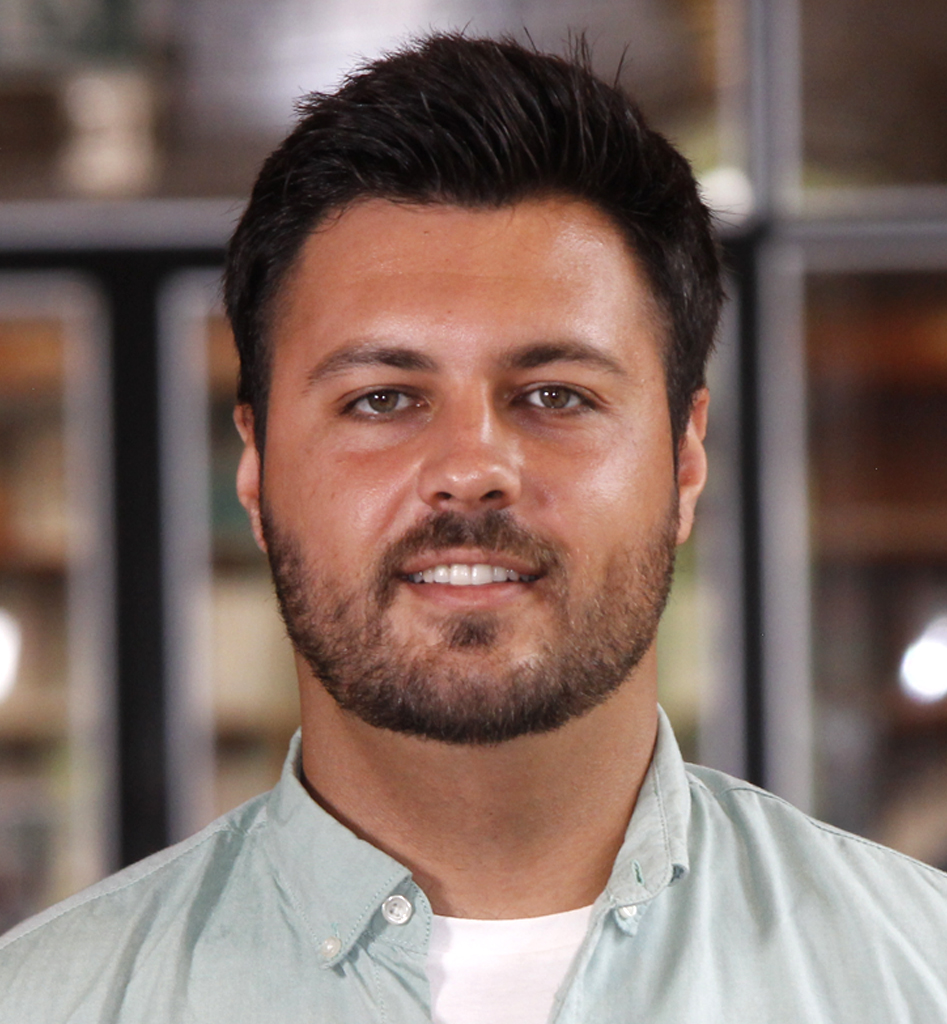
Andreu Rodilla is a researcher at the Barcelona Supercomputing Center and PhD from the University of Barcelona. His research focuses on the intersection of judicial politics and legislative studies from a computational social science perspective. In particular, he studies how the legal and political spheres dialogue from an empirical perspective. Methodologically, his main interest is data analysis and the treatment of text. In this sense, his main tasks are linked to data and, in particular, the data donation tool.
Paula Szewach is a postdoctoral fellow at the Barcelona Supercomputing Center. Her interest is in Computational Social Science with main topics of interest in those exploring the relationship between technology and democracy. Her research lies in the intersection between political communication, political psychology and computational methods.
In the WHAT-IF project, Paula will be involved in WP5.
Max Pellert is a group leader at the Barcelona Supercomputing Center. He is broadly interested in the social sciences and uses traditional and novel computational methods from domains such as Natural Language Processing to study belief updates, emotional decay on social media, polarization, psychometric aspects of large language models, emotional well-being measured from textual data, semantic embeddings as complements to human ratings and many other interesting phenomena.
© 2025. Created using WordPress.
 WHAT-IF